
THE ABSOLUTE
In this synthesis, the cosmogony of the Universe is intended to
be captured.
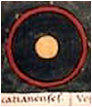
The first circle refers to the unmanifested Absolute. The second
refers to the first moment of manifestation (Genesis 1:3-5: Then
God said, let there be light, and there was light).
The third circle refers to its composition; Eastern philosophies
describe it as Yin and Yang, though there are other references
such as in Sefer Yetzirah (Book of Creation) where it says:
“There are two kings; one governs light, the other darkness; the
two are opposed in a perpetual struggle.” In man, these two
tendencies persist; he is at once light and darkness.
The fourth diagram describes the Absolute as a unity, but with its
composition of light and darkness where we can observe that
more light occurs in exchange for less darkness, and conversely,
as darkness increases, light decreases.
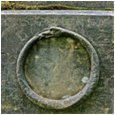
By paying attention, we can observe that our ancestors in
different times and places already left these symbols drawn and
engraved where they could be seen and observed by all who
wished to see them.



Following
Previous

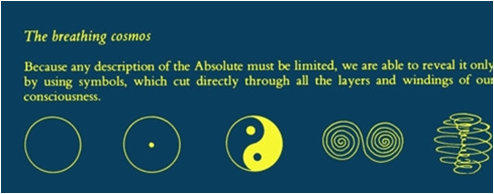
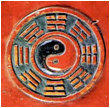
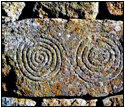
Any description of the Absolute can only be revealed through
the use of symbols, since only they speak directly to our
consciousness.

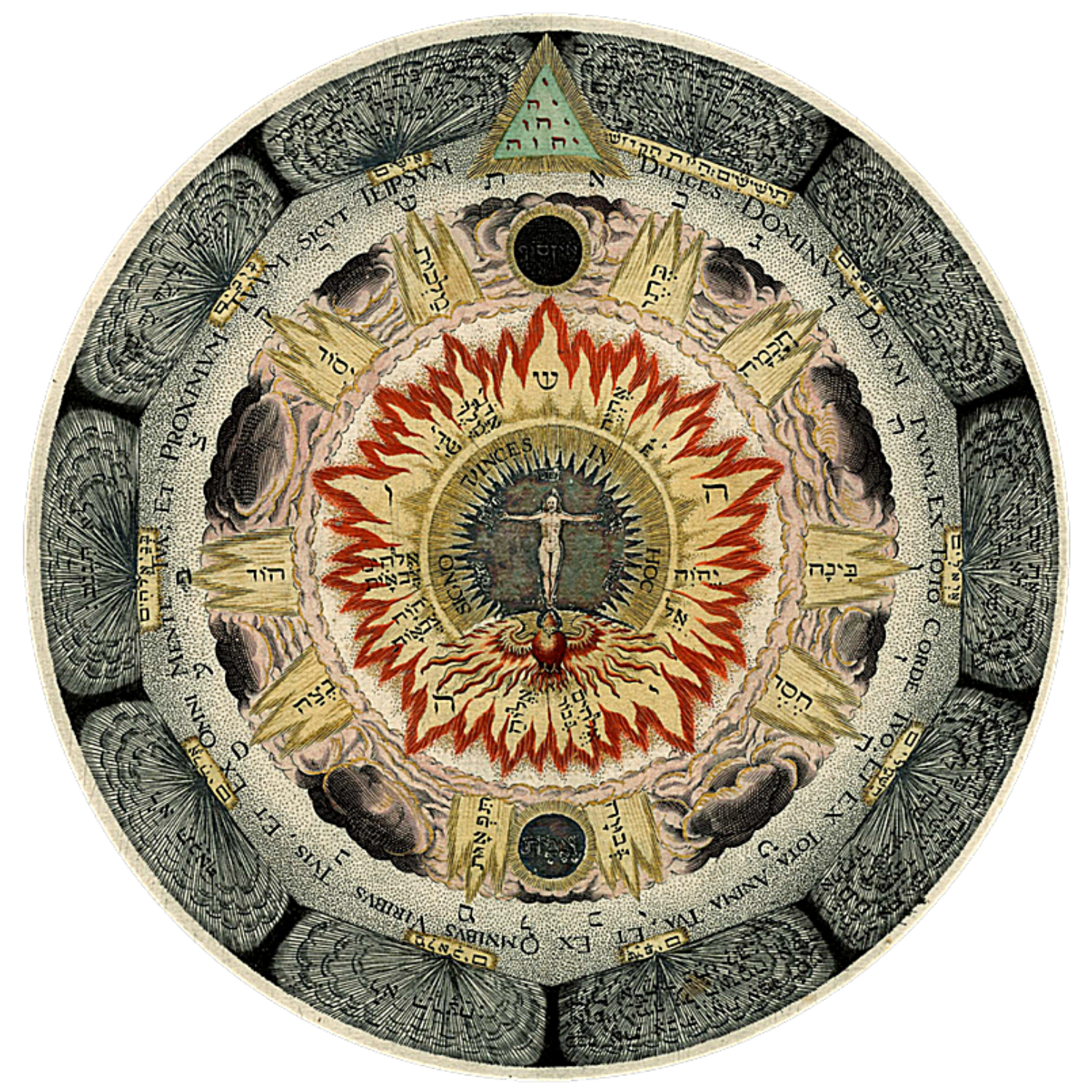
Heinrich Khunrath in 1609 published Amphitheatrum Sapientiae Aeternae in Hanover
(engraving corresponding to the Great Arcana or the manifested God).
Based on the Gospel of John, “In principio erat Verbum, et Verbum erat Deus…”
Through the Word, in the Word, and by the Word all things were created, and
without Him nothing that is would be in Him was life (John 1:1-4).
Delving deeper into the interpretation of the symbolism, as seen so far,
we can deduce that…

RVM