
Art
Nouveau,
better
known
in
Catalonia
as
Modernism,
appeared
at
the
end
of
the
19th
century
and
with
its
maximum
expression
at
the
beginning
of
the
20th
century,
as
a
reaction
to
classicism,
and
with
a
desire
to
reach
all
fields
where
its
manifestation
could
be
present,
both
in
architecture
and
in
interior
elements,
furniture,
stained
glass,
lamps,
jewellery,
etc.
It
was
also
present
in
plastic
creations,
posters
and
in
the
book industry.
This
is
an
art
with
very
specific
peculiarities,
a
curvilinear
and
dynamic
style
with
an
absolute
asymmetry,
and
it
is
possibly
in
these
characteristics where the divorce with classicism is most evident.
Stylisation
predominated,
above
all,
with
the
plant
world,
in
which
plants
played
a
very
important
role,
establishing
a
veritable
allegorical
repertoire.
The
artists
of
the
time
recovered
for
their
creations
all
the
symbolism
that
in
this
field,
humanity,
like
a
real
treasure,
has
been
accumulating
throughout
its
history:
Antoni
Gaudí
in
architecture,
and
Alfonse
Mucha
in
graphics,
and
like
many
others,
in
their
works
we
find
infinite
allegories
where
their
knowledge
can
bring
us
closer
to
a
better
understanding
of
this
world
of
the
artist,
where
nature
in
each
of
its
stages
was
a
source
of inspiration for a new allegorical expression.
Dried
leaves
in
autumn
were
symbols
of
melancholy
and
sadness,
yellow
flowers
were
associated
with
solar
influences,
and
made
an
allegory
of
glory
and
wealth,
white
lilies
referred
to
the
goddess
Diana,
and
were
attributed
to
honest
maidens
and
virgins,
orchids
are
symbols
of
passion
and
fertility,
passion
is
the
Christian
allegory
of
the
passion
of
Christ,
the
laurel
is
associated
with
victory
and
peace,
the
pomegranate
with
friendship
and
harmony,
the
white
rose
is
a
symbol
of
purity,
the
yellow
rose
is
associated
with
friendship
and
joy,
the
red
rose
is
attributed
to
Venus,
the
Greek
goddess
of
love,
and
associated
with
beauty,
love,
and
passion,
in
the
Christian
tradition
it
represents
the
blood
of
the
martyrs
and the resurrection.
In
architecture,
when
roses
were
placed
on
the
ceiling
of
a
room,
they
were
a
symbol
of
confidentiality
of
everything
that
was
said
or
done
inside
the
room,
hence
the
Latin
expression
used
to
entrust
a
secret
"sub
rosa" (in secret).
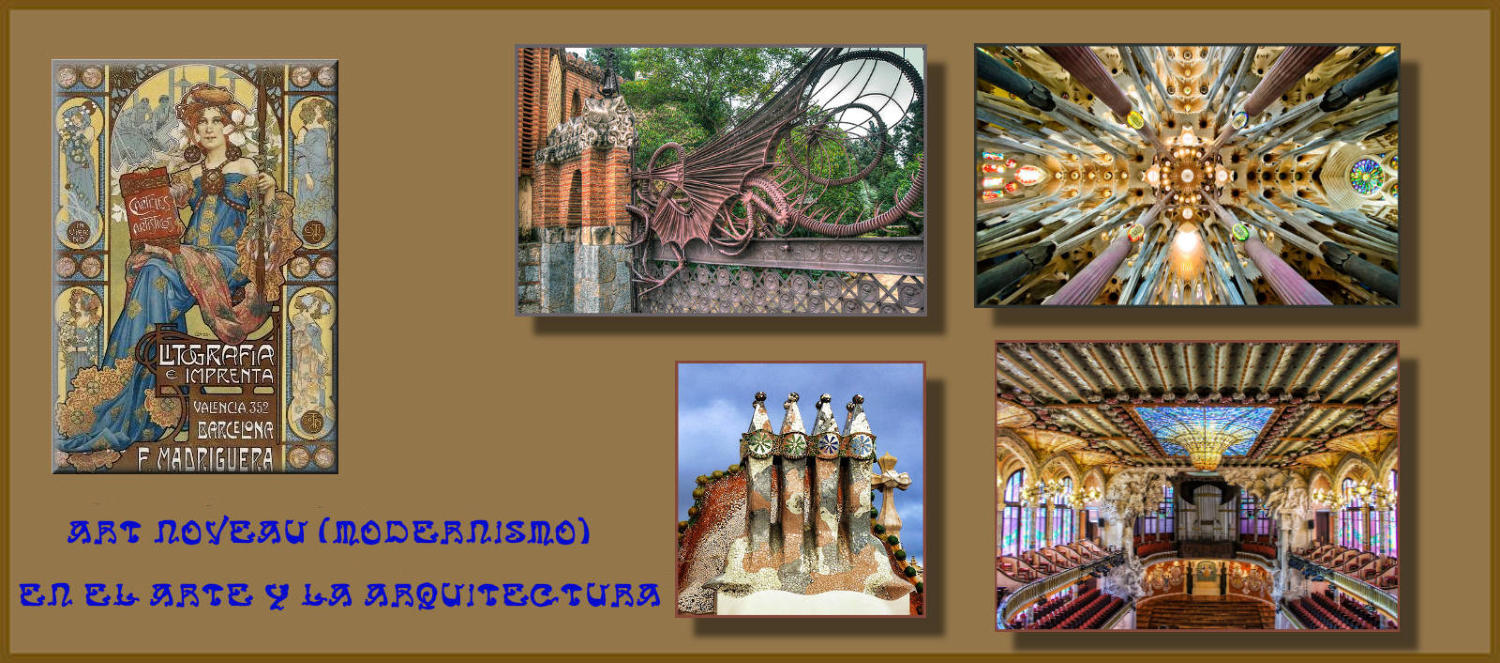
ART NOVEAU (MODERNISM)







































































RVM